
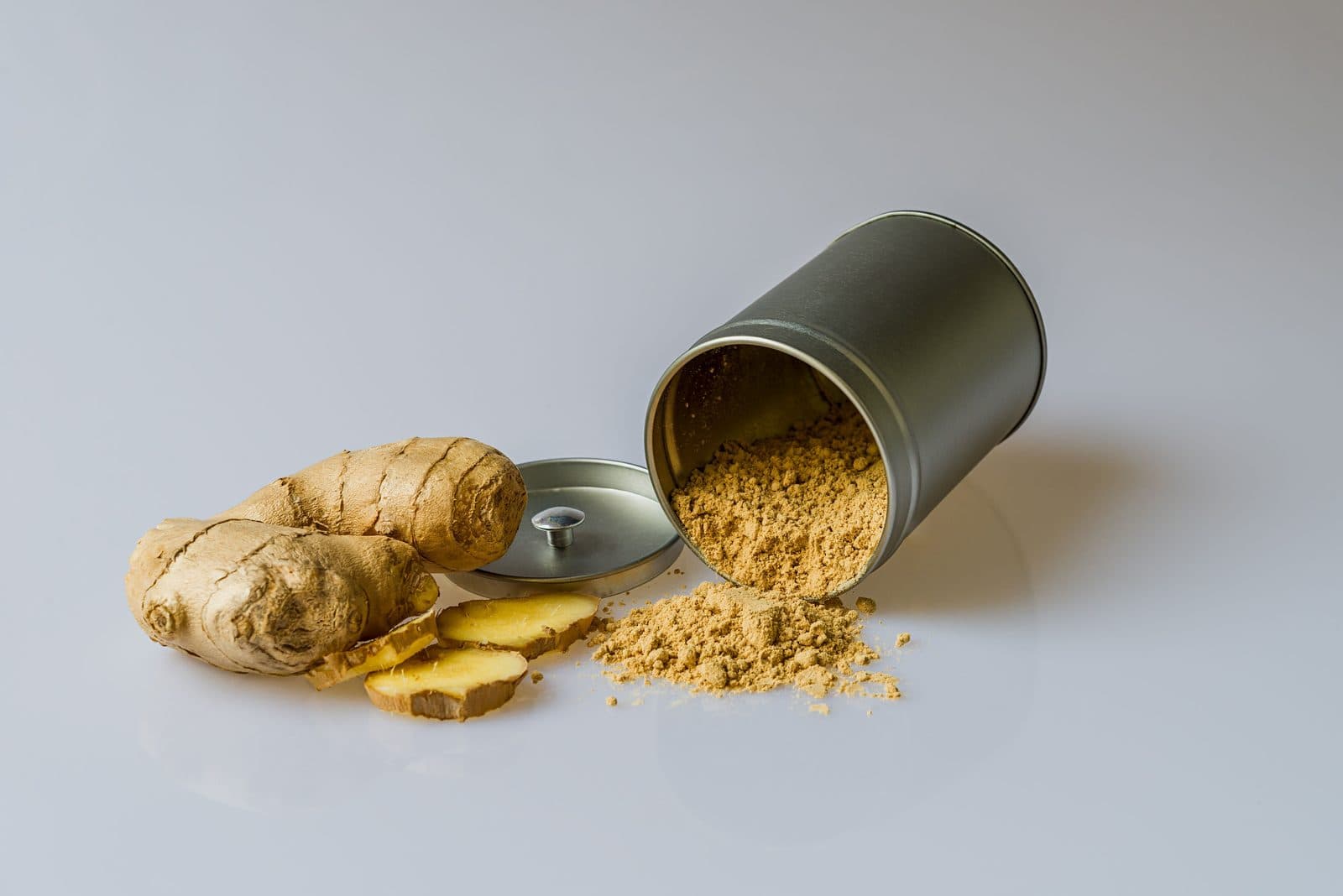


Seasoning is the fastest-moving powder category in Malaysian social commerce and the one with the lowest entry price. Single-sachet marinade premixes sell at impulse prices and reach an audience that would never think of themselves as supplement buyers.
It is also, technically, a different discipline from making a drink powder.
What does an OEM seasoning powder manufacturer make?
Four main groups: spice and curry blends, snack coating seasonings sold B2B to snack factories, ready-to-cook marinade premixes sold direct to consumers, and soup base or stock powders.
| Group | Sold to | Typical format |
|---|---|---|
| Curry and masala blends | Retail and food service | Sachet, pouch, jar, bulk |
| Snack coating seasoning | Snack manufacturers | Bulk — B2B, not consumer |
| Marinade and ready-to-cook premix | Retail, social commerce | Single sachet, 20–30 g |
| Soup base and stock powder | Retail and horeca | Sachet, pouch, bulk |
The marinade premix is the format that ranks on Malaysian marketplaces: a single sachet at an impulse price, bought repeatedly.
What makes seasoning different from a drink powder?
Spices bring their own moisture, their own oils and their own colour, and all three move during storage. A drink powder is engineered to dissolve; a seasoning is engineered to stay stable, disperse evenly and not stain the pack.
The recurring issues:
- Caking. Spice powders are hygroscopic and salt attracts water. This is a barrier film decision as much as an anti-caking decision.
- Colour migration. Turmeric and chilli stain packaging from the inside. It looks like a defect to a consumer even when the product is fine.
- Oil separation. Ground spices carry volatile oils that can migrate into the film over time, softening the seal.
- Segregation. Blends of different particle sizes separate in transit, so the first sachet and the last from a run can taste different if the blend was not built for it.
- Flavour loss. Volatile aromatics are the first thing to go. A curry powder that smells flat on opening has already lost the argument.
What decides the cost of a seasoning blend?
The spice specification, mostly. Chilli varies by heat level and colour value, turmeric by curcumin content, and every spice varies by harvest and origin. After that it is the pack format, because a 20 g sachet uses far more packaging per gram than a bulk pouch.
Salt and fillers are cheap; the aromatics are not. A blend that tastes thin has usually been balanced towards the cheap end rather than badly formulated.
Where does Halal certification bite in seasoning?
In the flavour enhancers, the carriers and any meat-derived component. The spices themselves are rarely the issue.
- Meat and chicken flavour bases need Halal certification through the chain, and this is the most common issue in this category.
- Flavour carriers are frequently ethanol-based — ask for the certified version.
- Anti-caking and flow agents need their own certificates.
- Enzyme-hydrolysed proteins used for umami need documentation for both the enzyme and the substrate.
What formats sell in Malaysia?
Single 20–30 g sachets for marinade premix and ready-to-cook, sold at an impulse price. Pouches and jars for curry powder used regularly at home. Bulk for snack factories and food service.
Because the unit price is so low, seasoning is a volume business. It suits a brand with existing distribution or an audience more than a brand starting from zero — the margin per sachet does not fund customer acquisition on its own.
Can you match an existing seasoning?
Usually to a close approximation. Send a physical sample rather than an ingredient list — spice blends are almost impossible to match from a written description, because the same named spice varies enormously between origins.
Tell us the application as well as the taste: a marinade that will be grilled behaves differently from one that will be fried or air-fried, and the blend is built for the cooking method as much as for the flavour.
What a good seasoning brief looks like
- The dish or application — grilled chicken, snack coating, curry, soup base
- Heat level, and whether it is adjustable
- A physical reference sample
- Format and fill weight
- Target retail price per unit
- Whether it is sold to consumers or B2B to a factory
- Halal requirement, stated explicitly
Where D&O fits
D&O manufactures seasoning powders at its plant in Lahat, Perak — certified Halal by JAKIM (MS 1500), GMP to MS 1514:2022 (cert. GMP 00203), HACCP to MS 1480:2019 (cert. HACCP 00425) and ISO 22000 (cert. FSMS 00229).
See seasoning for the seven product lines, from curry and masala to sauce premix and spice blends.
Frequently asked questions
Can you make a seasoning to match my family recipe? Usually yes. Send a physical sample and tell us the cooking method — both matter more than a written ingredient list.
Why does my seasoning cake in the pack? Spice powders and salt attract moisture. It is normally a barrier film problem rather than a formula problem, and Malaysian humidity makes it worse.
Can you supply seasoning in bulk to a snack factory? Yes. Snack coating seasoning is normally a B2B bulk product rather than a retail one.
Is a marinade premix Halal certified? It can be, but check the flavour base. Meat and chicken flavour components are where certification usually needs attention.
What is the most popular seasoning format in Malaysia? The single-serve marinade sachet at an impulse price. It ranks consistently on Malaysian marketplaces.