
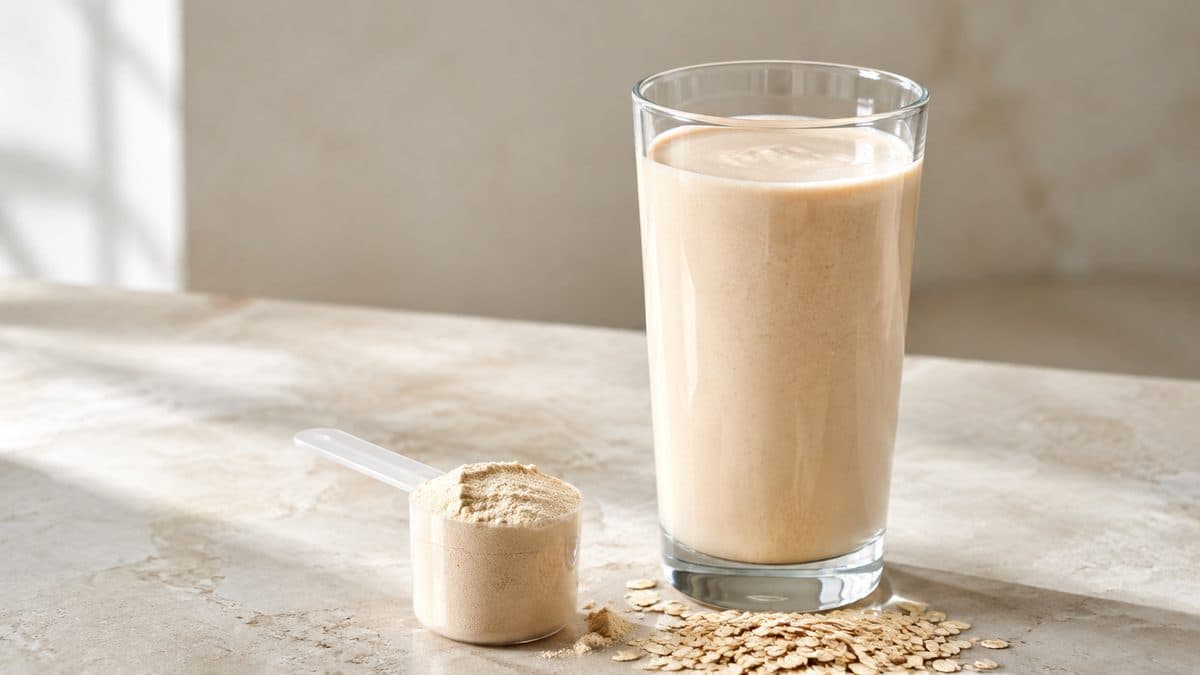
OEM Meal Replacement & Nutrition Powder Manufacturer Malaysia | Halal
Halal OEM manufacturer of meal replacement shakes, protein powders, cereal drinks, complete-nutrition and milk powders in Perak, Malaysia — formulated, blended and packed under your own brand.
Explore Nutrition & Meal Replacement
6 product lines in this family.
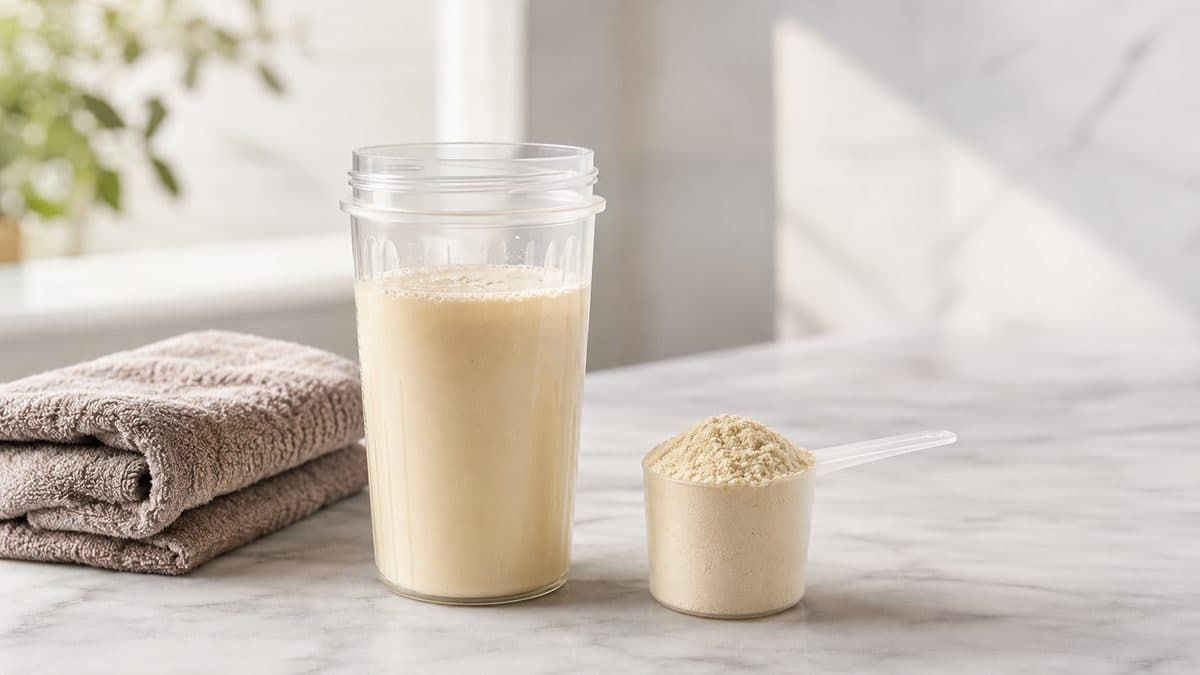
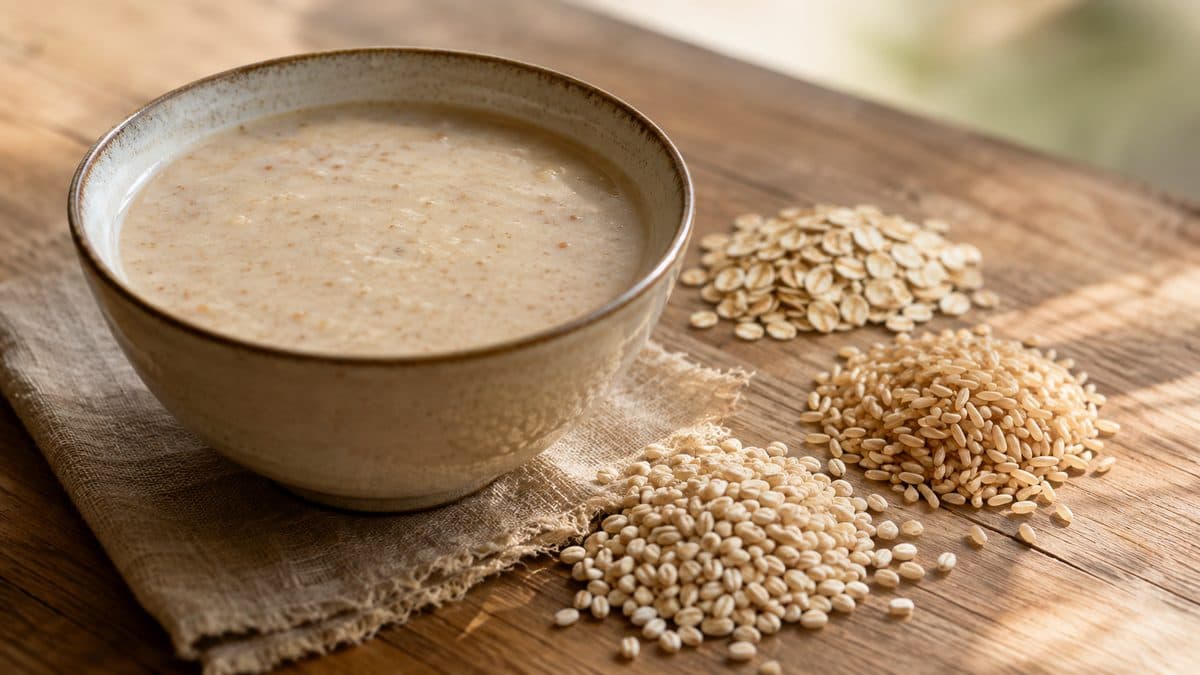
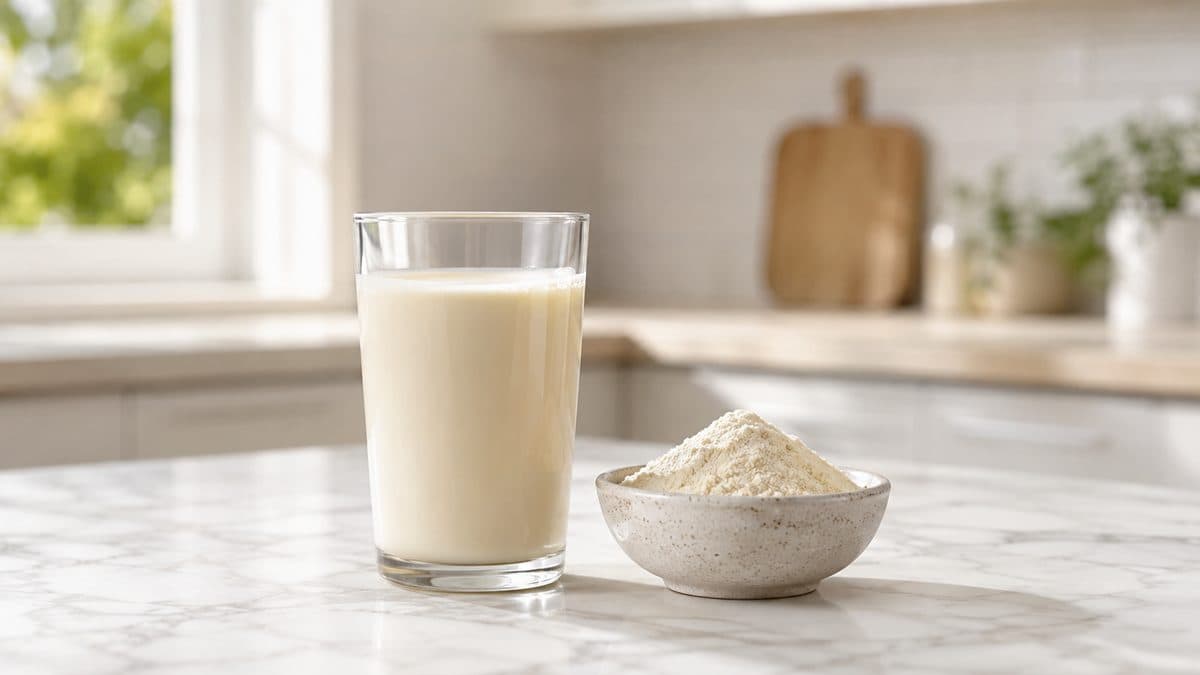
What does an OEM meal replacement and nutrition powder manufacturer do?
An OEM meal replacement and nutrition powder manufacturer makes the product; you own the brand. D&O handles formulation, protein and micronutrient sourcing, Halal-compliant blending, flavour masking, agglomeration and packing under your label, so you can launch a meal replacement and nutrition powder line without building a factory, hiring food technologists or holding raw-material stock.
- Formulation — turning a brief (taste, texture, positioning, target cost) into a workable recipe
- Raw-material sourcing — including Halal-certified ingredient chains, which is where most first-time brand owners get stuck
- Sampling — bench samples and revisions before any commitment to a production run
- Production — blending, granulation where required, and filling at our Perak plant
- Packing — sachet, jar, tub or bulk, to your artwork
What stays yours: the brand, the artwork, the pricing and the customers. D&O does not sell competing retail brands in this category.
OEM, ODM, private label or white label — which one do you need?
They differ in who owns the recipe. OEM means the recipe is developed for you and stays yours. White label means you put your name on an existing product. Most new meal replacement and nutrition powder brands in Malaysia start white label and move to OEM once volume justifies a custom formula.
| Model | Who owns the recipe | When it makes sense |
|---|---|---|
| White label | An existing formula, your artwork | Fastest and cheapest to launch. You will not be the only brand selling it. |
| Private label | An existing formula with minor tweaks (flavour, strength, pack size) | A middle path — some differentiation without full development cost. |
| ODM | The manufacturer designs the product, you select from the result | Useful when you know the market but not the formulation. |
| OEM | A formula developed to your brief, kept for you | Highest control and defensibility. Needs a clearer brief and more lead time. |
What formats and pack sizes can meal replacement and nutrition powder be produced in?
Sachet, stick pack, jar, tub and bulk. For the Malaysian market the format that moves fastest online is the small sachet sold in a multi-pack box — typically 10 to 15 sachets — because it lowers the price of a first trial and suits social-commerce selling.
| Format | Typical use | Notes |
|---|---|---|
| Sachet / stick pack | Single serve, retail multi-packs, sampling | The volume format online. 10–15 sachet boxes are the common retail unit. |
| Jar or tub | Multi-serve home use, gifting, subscription refills | Better perceived value per gram; heavier to ship. |
| Canister with scoop | Larger serve counts, sports and family positioning | Needs a free-flowing powder and a moisture barrier. |
| Bulk (kg bags / drums) | Brands doing their own downstream filling, food service | Lowest packing cost, highest minimum volume. |
Choosing the format early matters more than most first-time brand owners expect: it drives the filling line, the shelf-life target, the artwork dieline and the per-unit cost all at once. Nutrition powders have a format problem the drink categories do not: a meaningful serve is 25–50g rather than 15g, so sachets are bulkier and canisters become more attractive above a certain serve size.
Exact fill weights, minimum order quantities and lead times depend on the format and the run size, and are quoted against your brief.
What does Halal certification mean for meal replacement and nutrition powder made in Malaysia?
It means the ingredients, processing aids, equipment and storage have all been assessed — not just the final recipe. For powders the usual pressure points are emulsifiers, anti-caking agents, flavour carriers and any dairy-derived or gelatine-derived ingredient.
Malaysia's Halal framework is administered by JAKIM, the Department of Islamic Development Malaysia, and its recognition by foreign Halal authorities is a large part of why brand owners in Indonesia, Brunei and the Gulf source from Malaysian factories rather than certifying locally themselves.
D&O manufactures meal replacement and nutrition powder at its plant in Lahat, Perak, certified Halal by JAKIM to MS 1500 and audited to GMP MS 1514:2022 (cert. GMP 00203), HACCP MS 1480:2019 (cert. HACCP 00425) and ISO 22000 (cert. FSMS 00229) by SIRIM QAS International. Certificates and their scope are supplied on request.
Who builds meal replacement and nutrition powder brands with D&O?
Mostly Malaysian brand owners who sell direct — social commerce, agent and stockist networks, pharmacy and health-store chains, and exporters shipping into neighbouring Muslim-majority markets.
| Type of buyer | What they usually need |
|---|---|
| Social-commerce and influencer brands | Trial sachets, strong before-and-after positioning, fast flavour turnover |
| Agent, stockist and MLM networks | Programme-based products — 14-day or 30-day packs |
| Gyms, coaches and sports retail | Higher protein, larger canisters, clear nutrition panels |
| Pharmacy and elderly nutrition | Complete-nutrition profiles, easy digestibility, compliant labelling |
| Exporters | Halal-certified origin and stable long-run supply |
Brands selling into Indonesia, Brunei, Singapore and the Gulf generally need a Halal-certified origin. JAKIM certification is recognised or accepted across those markets, which is why a large share of D&O's export clients source from Malaysia rather than certifying locally.
What kinds of meal replacement and nutrition powder can you produce?
The range splits into a few distinct directions. Which one you pick drives the formulation, the price point and the buyer more than the individual flavour does.
| Direction | What sits in it | Who it suits |
|---|---|---|
| Meal replacement shakes | Complete-nutrition and weight-management shakes | The largest sub-category and the most competitive |
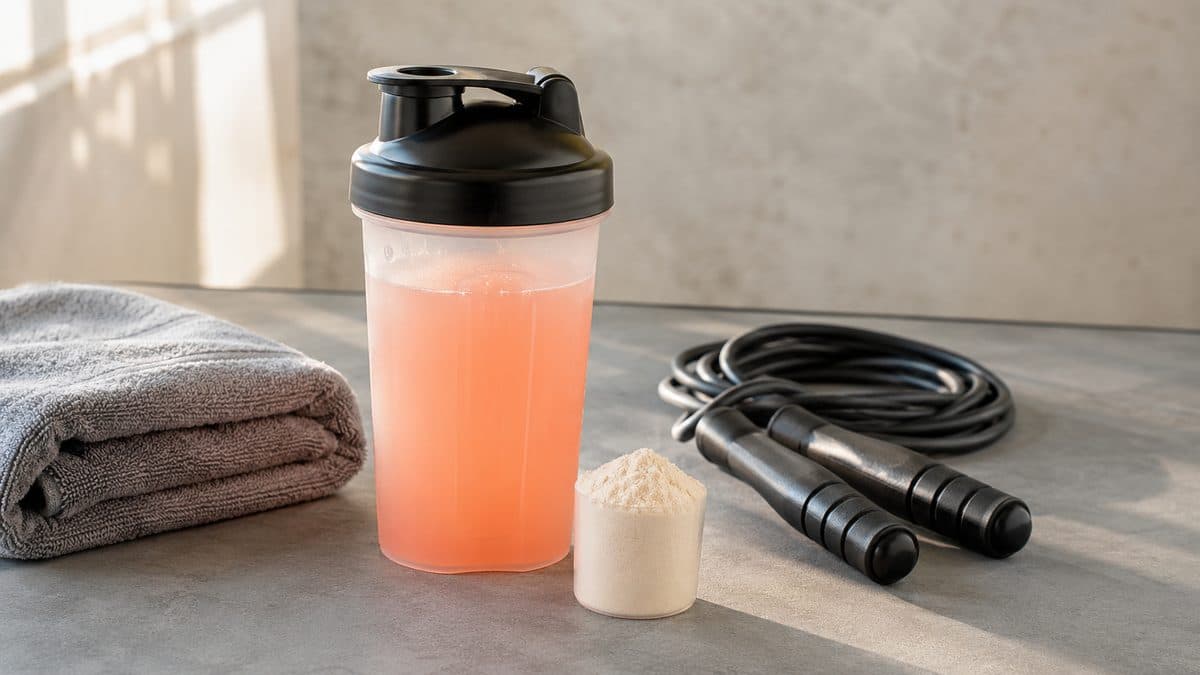
| Protein powders | Whey, plant, soy and blended protein | Sports, fitness and active-lifestyle brands |
| Cereal and grain drinks | Multigrain, oat, barley, brown rice, black bean | Breakfast and family positioning; strong local familiarity |
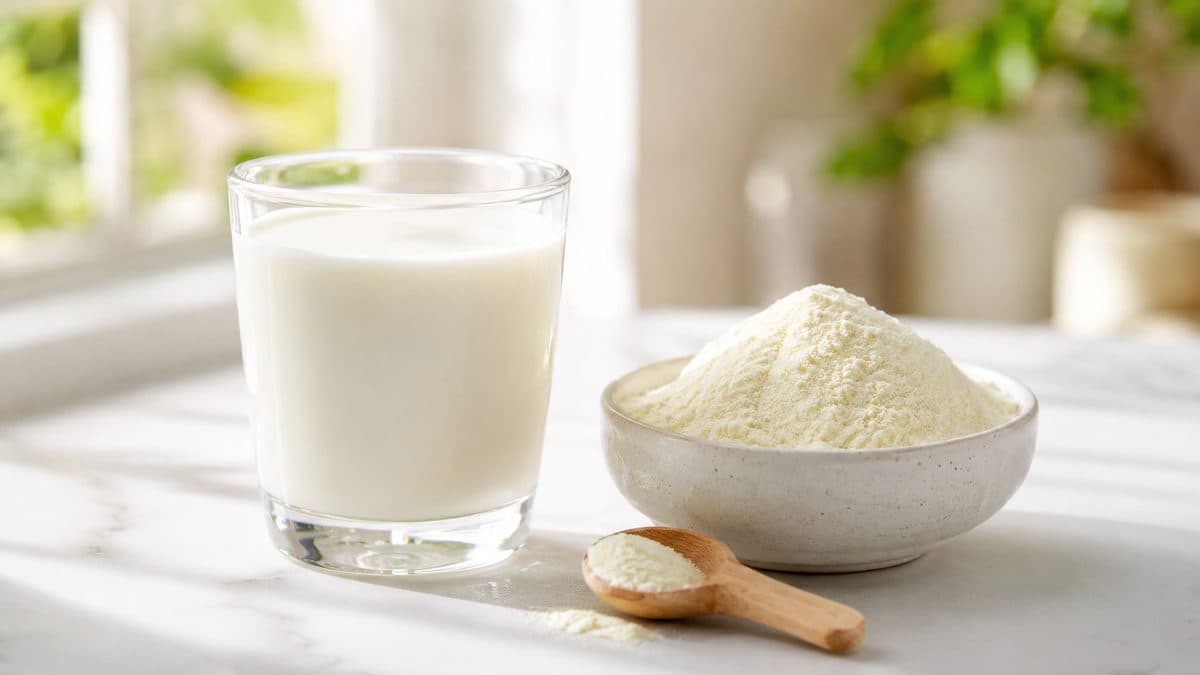
| Milk powders | Full cream, skimmed, goat, lactose-free, plant milks | Base products and family nutrition |
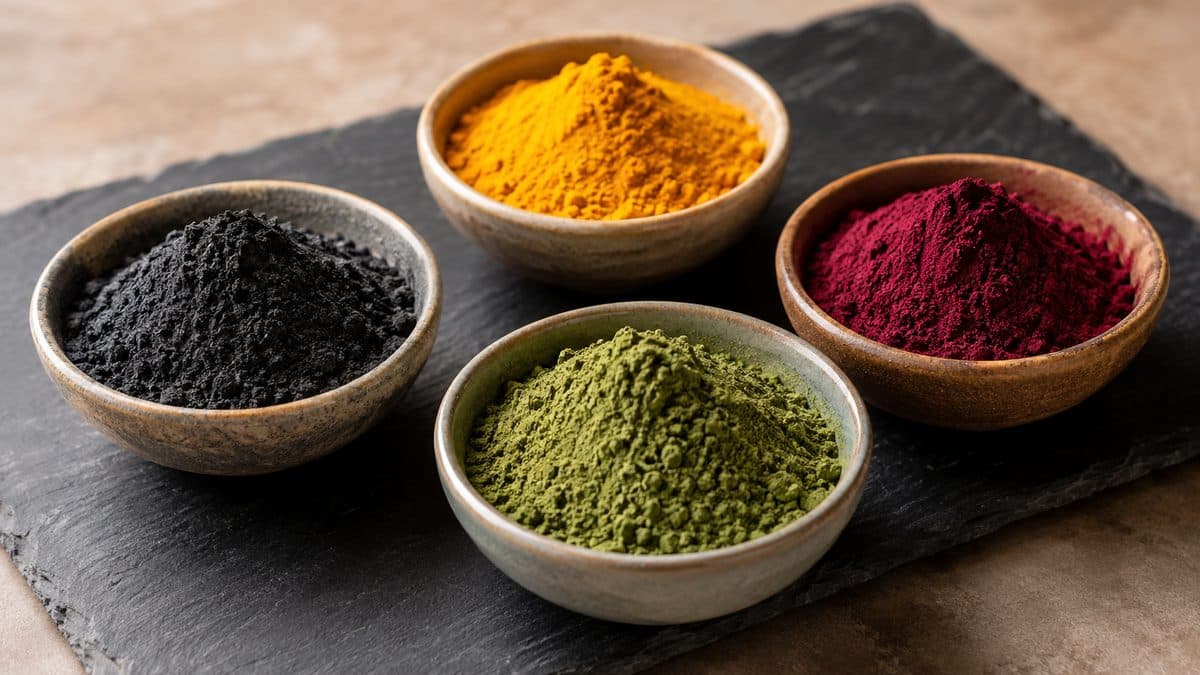
| Superfood powders | Spirulina, moringa, beetroot, wheatgrass blends | Premium wellness positioning |
How is meal replacement and nutrition powder manufactured?
Production runs in five stages: raw material intake and checks, dry blending, granulation or agglomeration where the product needs it, filling into the chosen pack, then finished-goods checks before release.
| Stage | What happens | Why it matters to your product |
|---|---|---|
| Raw material intake | Incoming ingredients are checked and their Halal status and documentation verified | A Halal-certified finished product depends on every input being traced, not just the recipe |
| Dry blending | Base powder, creamer, sugar, flavours and actives are weighed and blended to a uniform mix | Blend uniformity decides whether every sachet tastes the same |
| Granulation / agglomeration | Fine particles are bound into larger porous granules | This is what makes a powder sink and dissolve instead of floating and clumping |
| Filling & sealing | Powder is filled to weight into sachets, jars or bulk packs and sealed | Fill weight accuracy and seal integrity drive both cost and shelf life |
| Finished-goods checks | Weight, moisture, appearance, dissolving behaviour and taste are checked before release | Catches the batch that looks fine but will not dissolve in the customer's cup |
What shelf life can meal replacement and nutrition powder achieve, and what shortens it?
Shelf life is set by moisture, oxygen, light and heat — in roughly that order for powders. The packaging usually matters as much as the formula, because a good powder in a weak barrier will still harden or go stale.
- Moisture pickup — the main enemy. Sugar and acid both attract water, and a powder that absorbs it will cake into a solid block.
- Protein off-notes — protein develops a cardboard or beany note as it ages, which is usually what dates a meal-replacement powder.
- Vitamin decline — fortified products lose potency over time and are usually overdosed at production to hold the label claim.
In practice this means a foil or metallised laminate for sachets, a good induction seal on jars, and a desiccant where the formula is especially hygroscopic. Clear packaging looks attractive and costs shelf life.
How do I choose the right meal replacement and nutrition powder direction?
Work backwards from the buyer, not the recipe. Decide who is buying, at what price, through which channel — then the format, flavour and formulation decisions mostly answer themselves.
- Decide the job the product does. Replacing a meal, adding protein, and adding micronutrients are three different formulas even when they look similar on shelf.
- Fix the serve size first. It decides format, cost per serve and whether a sachet is even practical.
- Choose the protein source early. Whey, soy and pea differ in taste, cost, allergen status and Halal considerations.
- Decide whether you are making claims. A nutrition panel is mandatory; specific health claims are regulated and constrain the formula.
- Think about programme structure. Many Malaysian nutrition brands sell a 14-day or 30-day plan rather than a tub — that shapes the pack format from the start.
If you already have a reference product you like, send it. Working from a physical sample is faster and far more accurate than working from a written description.
Where is this manufactured, and under what certification?
At D&O Nutraceutical Manufacturing Sdn. Bhd. in Lahat, Perak, Malaysia — six factory units certified Halal by JAKIM (MS 1500), GMP to MS 1514:2022 (SIRIM QAS, cert. GMP 00203), HACCP to MS 1480:2019 (SIRIM QAS, cert. HACCP 00425), ISO 22000 (SIRIM QAS, cert. FSMS 00229) and MeSTI (Ministry of Health, cert. ME0523069-0/1).
The plant is outside Ipoh, between Kuala Lumpur and Penang, with road access to both Port Klang and Penang Port for export. Four units are used for production and two for packing and assembly, 4,000 sq ft each.
D&O is the powder functional food manufacturer of ORIZI Group. Liquid and ready-to-drink formats are made by Nutrizens Wellness Sdn. Bhd.; cosmetics, skincare and personal care by Dr Orizi; medical devices by Skyler and Imedify.
Certificates and their certified scope are supplied on request. JAKIM Halal certification is verifiable in the MYeHALAL directory, MeSTI in the Ministry of Health FoSIM system, and the GMP, HACCP and ISO 22000 certificates with SIRIM QAS International. The MS standards themselves are published by Standards Malaysia, and ISO 22000 by ISO.
Frequently asked questions
- Can you formulate a complete meal replacement?
- Yes — a meal replacement needs a defined protein, carbohydrate and fat balance plus a micronutrient premix. What may be printed on the pack depends on Malaysian labelling requirements and should be confirmed before artwork.
- Which protein sources can you use?
- Whey, soy, pea and blends are all workable. The choice affects taste, texture, cost and Halal documentation, so it is usually decided at brief stage.
- Can you make plant-based or vegan nutrition powders?
- Yes. Plant proteins bring their own flavour, so masking and sweetening are a larger part of the development work than with dairy protein.
- Can you produce a 14-day or 30-day programme pack?
- Yes — this is a packing and format decision rather than a formulation one, and it is common for agent-network brands in Malaysia.
Get a Free Sample of Your Own Product
Tell us what you want to make — the taste or effect, your target retail price, the pack format and rough monthly volume. We come back with a costing and a free bench sample made to your brief, not a stock product. Halal OEM manufacturing in Perak, Malaysia, in sachet, stick pack, jar or bulk.
JAKIM Halal · GMP MS 1514 · HACCP MS 1480 · ISO 22000 · MeSTI certified