


Collagen is the largest online supplement category in Malaysia and the most crowded. Every brand lists the same headline ingredient, which means the product is not won on the collagen — it is won on the ten decisions around it.
1. Peptide source: marine, bovine or plant-based
Marine collagen is the default for beauty positioning in this market. Bovine raises a Halal question that has to be resolved with slaughter certification. "Plant collagen" contains no collagen at all — it is a nutrient blend intended to support the body's own production, and it must be described accurately.
⚠️ Describing a plant product as "collagen" without qualification is a labelling problem, not a marketing choice.
2. Molecular weight of the peptide
Hydrolysed collagen is sold at different molecular weights, usually quoted in daltons. Lower weight is marketed as better absorbed and costs more. It is also the single most quoted specification on a collagen pack in this market.
Decide whether you are competing on this number, because if you are, it sets the ingredient budget before anything else does.
3. Dosage per serving
The difference between a token 500 mg inclusion and a 5,000 mg or 10,000 mg dose is the whole cost of the product. Both may legally list "collagen" on the label.
When comparing quotations, compare the milligrams per serving. A cheaper quote is usually a different specification rather than a better deal.
4. Vitamin C — and why it is not optional
Vitamin C is required for collagen synthesis in the body, and nearly every credible collagen product includes it. It is also unstable: it degrades with heat, moisture and oxygen, so overage at formulation is normal practice to meet the declared value at end of shelf life.
Leaving it out to save cost is visible to any informed buyer.
5. What else goes in
The supporting cast is where differentiation actually happens: hyaluronic acid, ceramide, glutathione, biotin, elastin, botanical extracts. Each adds cost and each adds a claim you then have to be able to support.
Two well-chosen actives at a functional dose beat eight at token levels — and the label reads more credible, not less.
6. Masking the aroma
Marine collagen has a characteristic marine aroma. Masking it without the product tasting like perfume is the main formulation challenge in this category, and it is the reason most abandoned collagen products get abandoned.
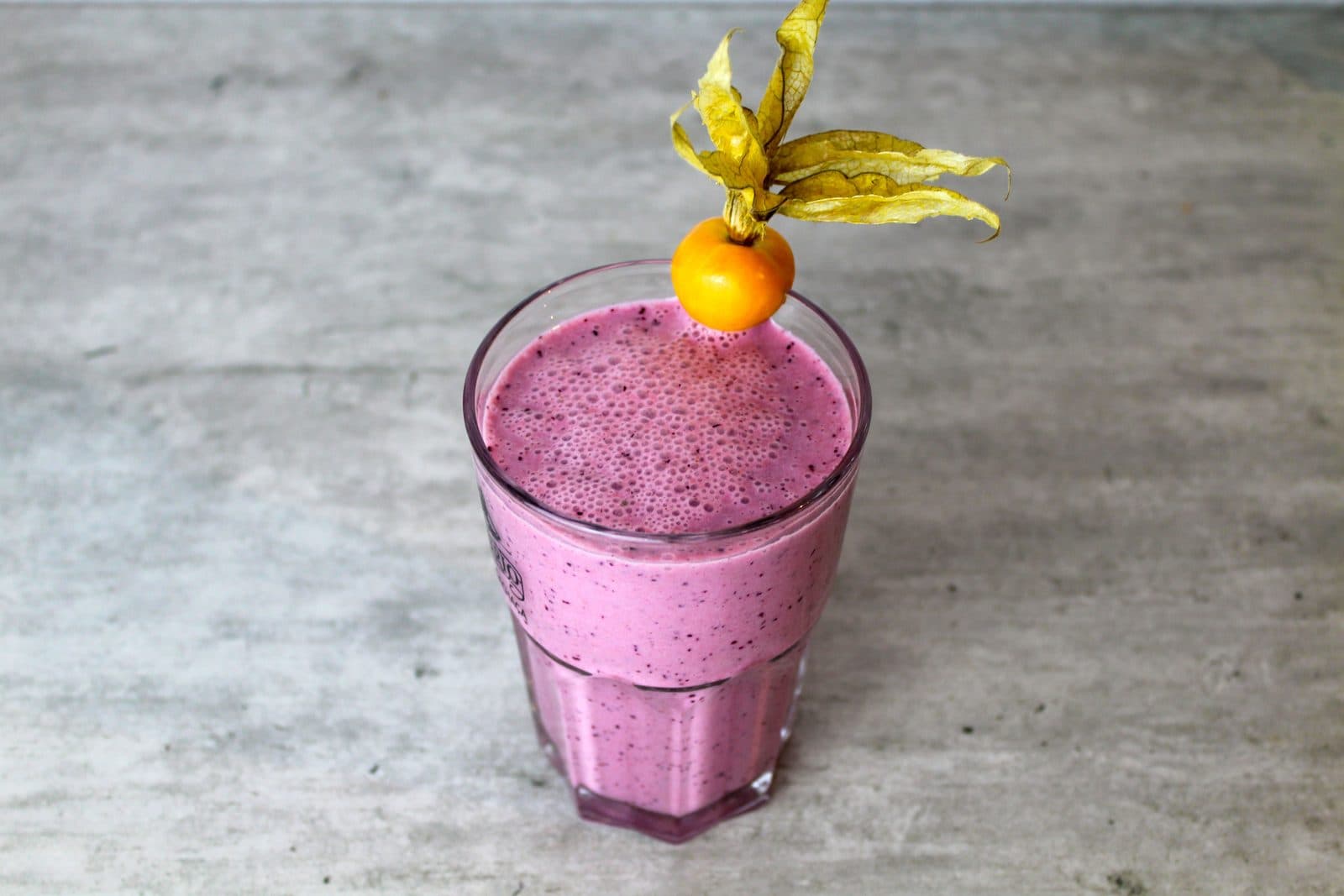
The flavour system frequently costs more than the collagen. Directions that work well: berry, lychee, calamansi, peach, and — less obviously — pairing with a strong tea or coffee base.
7. Solubility
A collagen drink is prepared in a glass, not a shaker, by someone in a hurry. If it does not dissolve completely in cold water in about ten seconds, it reads as a low-quality product regardless of the peptide inside it.
Agglomeration and particle size do this work. State the intended preparation — cold water, room temperature, or stirred into a drink — at the brief stage.
8. Sweetener system
This is a daily product, so aftertaste compounds over weeks. Stevia is rejected outright by some buyers. If a no-sugar or no-artificial positioning is required, say so before development starts.
9. Format and pack size
The 15 or 30 count sachet box is the format that sells in this category: single-serve, portion controlled, low trial price, and finished in two to four weeks so the reorder cycle is short.
Stick packs read more premium and suit a higher price point. Jars are rare here because collagen is a daily dose rather than a scooped serving.
10. The Halal question, settled early
Bovine collagen requires Halal slaughter certification through the whole chain. Marine collagen avoids that entirely, which is one reason it dominates this market. Porcine collagen cannot be Halal certified at all.
Also check the supporting ingredients rather than only the collagen: the flavour carrier, the emulsifier and any vitamin premix each need their own valid Halal certificate.
What a good collagen brief looks like
- Peptide source and molecular weight, if you are competing on it
- Milligrams of collagen per serving
- Vitamin C, and any other actives with their doses
- Flavour direction, and any reference product
- Sweetener constraints
- Format, fill weight and count per box
- Target retail price per box
- Halal requirement, stated explicitly
Where D&O fits
D&O manufactures collagen and beauty drink powders at its plant in Lahat, Perak, certified Halal by JAKIM (MS 1500), GMP to MS 1514:2022 (cert. GMP 00203), HACCP to MS 1480:2019 (cert. HACCP 00425) and ISO 22000 (cert. FSMS 00229), with an in-house R&D laboratory for flavour and stability work.
See beauty and collagen, or send a reference product you want matched.
Frequently asked questions
Is marine collagen Halal? Marine collagen avoids the slaughter question entirely, which is why it dominates this market. The supporting ingredients still need their own certificates.
What collagen dosage should I use? It depends on your positioning and your retail price. Compare in milligrams per serving rather than by ingredient name, and decide against the price you intend to sell at.
Why does collagen smell fishy? Marine peptides carry a characteristic aroma. A well-built flavour system masks it; a cheap one covers it with sweetness, which is why some products taste cloying.
Can a collagen drink be sugar free? Yes. Sweetener choice matters more here than in most categories because it is a daily product and aftertaste compounds.
Is "plant collagen" really collagen? No. It is a blend intended to support the body's own collagen production, and it must be described accurately on the label.