
Herbal & Botanical · Malaysian
OEM Barley Powder Manufacturer in Malaysia
OEM & private label barley drink powder - hawker-style barley water in sachet and bulk, Halal manufactured in Perak, Malaysia for your brand.
What is barley water?
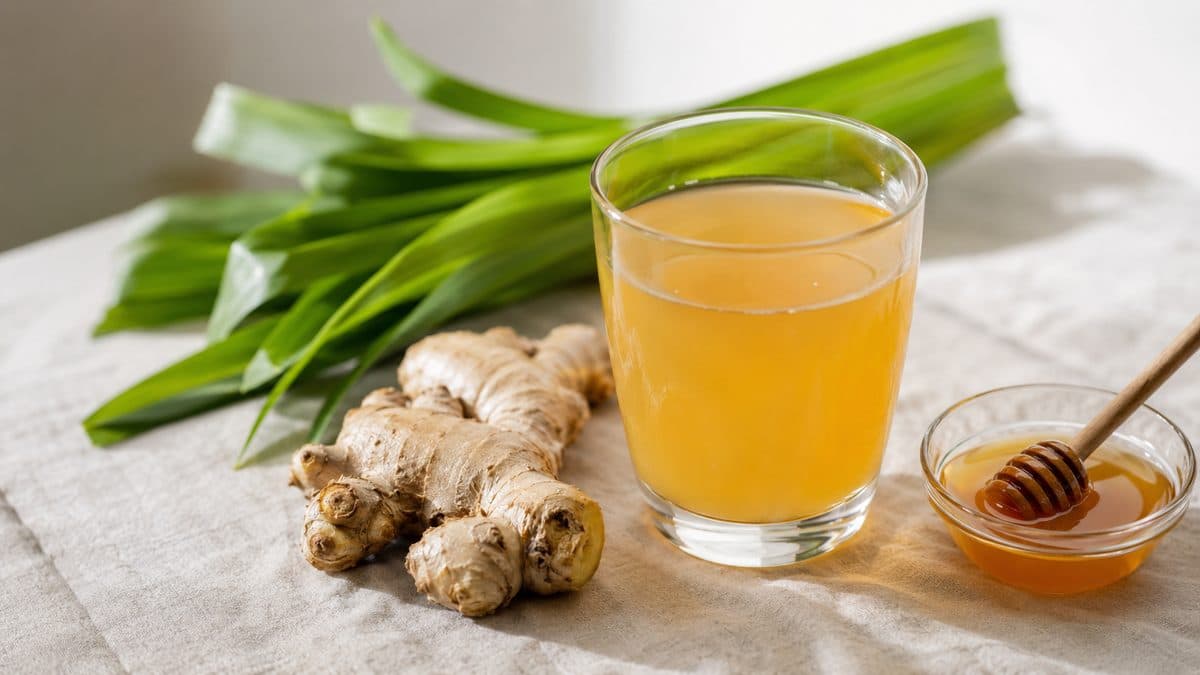
Barley grains boiled in water, strained, and usually sweetened. It is drunk in many parts of the world, and in Malaysia the hawker version - often with dried winter melon or a slice of lemon - is a standard cooling drink sold beside soya and sugarcane.
Barley water is one of the oldest prepared drinks still in daily use, and the method has barely changed: boil the grain, strain it, sweeten what is left. What varies is what goes in with it, which is why a British barley water and a Malaysian one taste almost nothing alike.
The Malaysian version belongs to the cooling-drink tradition rather than the wellness aisle, drunk warm or over ice at a hawker stall. The flavour is subtle - faintly cereal, faintly sweet, with a soft cloudiness from the starch that comes out of the grain during boiling.
That cloudiness is part of the identity. A clear barley drink looks wrong to anyone who grew up on the hawker version, which is an unusual requirement to write into a powder specification.
What does barley taste like?
Mild, faintly cereal and gently sweet, with a soft starchy body rather than a sharp flavour. It is a drink people choose for its lightness, so anything assertive in it is a formulation error rather than a feature.
| Character | Level | Why |
|---|---|---|
| Sweetness | Medium | Sweetened, but lightly - barley drink is sold as refreshing rather than rich. |
| Bitterness | Low | Essentially none; any bitterness in a barley drink is a fault. |
| Roast | Low | Malaysian barley water uses boiled grain, not roasted - roasted barley is a different drink. |
| Creaminess | Medium | No dairy, but starch from the grain gives a soft body and cloudiness. |
| Aroma | Low | Subtle and cereal; it is the least aromatic flavour in this part of the library. |
Indicative flavour positioning to help write a product brief. It is not sensory panel data, and the finished taste is set with you at sampling stage.
What has to be decided to make barley as a powder?
Gluten, first. Barley is a gluten-containing cereal, so it is a declarable allergen in most markets and that affects the label, the export dossier and sometimes which line it can run on. After that it is about keeping the cloudiness without the grit.
- Barley contains gluten and must be declared. This is the decision that outranks the rest. Allergen labelling rules differ by market, and gluten also rules the product out of a growing gluten-free segment, so it is a positioning fact rather than a technicality.
- The cloudiness is the point, the sediment is not. Buyers expect a soft opaque drink, but they do not expect grit at the bottom of the glass. Getting starch body without insoluble residue is the main technical work in this product.
- It is a mild flavour, so there is nothing to mask defects. With no roast, no dairy and little sugar, any off-note from the raw material or from drying sits in plain view.
- Decide what goes in with it. Winter melon, lemon or pandan each take the drink somewhere different, and the Malaysian hawker reference point usually includes one of them rather than barley alone.
What are the Halal risk points in a barley powder?
Very few, and one that surprises people: barley's association with malt and brewing means buyers sometimes ask. A barley drink powder contains no alcohol and involves no fermentation, but the question comes up often enough to be worth answering on the pack.
The material checks that do apply are the ordinary ones - flow agents, any flavour carrier and the sweetener system. Magnesium stearate and stearic acid are fatty acids that may be plant or animal derived under the same ingredient name, and flavours carried in ethanol are assessed on what enters the plant rather than what survives into the powder.
D&O manufactures under JAKIM Halal certification to MS 1500, and every raw material entering a Halal-certified line carries its own valid certificate. The recurring failure points are listed in Top 10 Ingredients That Fail Halal Certification.
Which pack formats suit barley powder?
Sachet, stick pack, jar or bulk. The format is chosen with the formula rather than after it, because it decides how the powder is protected from moisture and how the buyer meets the product.
| Format | What it suits |
|---|---|
| Sachet | Single serve, suited to a drink bought for a moment rather than kept on a counter. |
| Stick pack | Convenience and office ranges, often alongside other cooling drinks. |
| Jar | Home use; a mild cereal powder is less aroma-sensitive than most, so a jar works well here. |
| Bulk | Hawker, food service and beverage shop supply. |
Where is this manufactured, and under what certification?
At D&O Nutraceutical Manufacturing Sdn. Bhd. in Lahat, Perak, Malaysia — six factory units certified Halal by JAKIM (MS 1500), GMP to MS 1514:2022 (SIRIM QAS, cert. GMP 00203), HACCP to MS 1480:2019 (SIRIM QAS, cert. HACCP 00425), ISO 22000 (SIRIM QAS, cert. FSMS 00229) and MeSTI (Ministry of Health, cert. ME0523069-0/1).
The plant is outside Ipoh, between Kuala Lumpur and Penang, with road access to both Port Klang and Penang Port for export. Four units are used for production and two for packing and assembly, 4,000 sq ft each.
D&O is the powder functional food manufacturer of ORIZI Group. Liquid and ready-to-drink formats are made by Nutrizens Wellness Sdn. Bhd.; cosmetics, skincare and personal care by Dr Orizi; medical devices by Skyler and Imedify.
Certificates and their certified scope are supplied on request. JAKIM Halal certification is verifiable in the MYeHALAL directory, MeSTI in the Ministry of Health FoSIM system, and the GMP, HACCP and ISO 22000 certificates with SIRIM QAS International. The MS standards themselves are published by Standards Malaysia, and ISO 22000 by ISO.
Where this flavour is produced
Barley sits in the Herbal & Botanical Drink line. The full list of instant beverage & dessertflavours D&O has produced is in the flavour library.
Frequently asked questions
- Does barley drink contain gluten?
- Yes. Barley is a gluten-containing cereal, so a barley drink is not gluten free and gluten must be declared where labelling rules require it. It also means the product cannot be positioned into the gluten-free segment, which is a positioning fact worth knowing early.
- Is barley drink alcoholic because of the malt association?
- No. Barley water is boiled grain, strained and sweetened - there is no fermentation and no alcohol. The question arises because barley is also the grain used in brewing, which is why some brands answer it directly on the pack.
- Why should barley drink look cloudy?
- Because starch comes out of the grain during boiling, and that soft opacity is what buyers recognise. A clear barley drink reads as wrong to anyone used to the hawker version, so cloudiness is written into the specification rather than treated as a defect.
- What is usually added to Malaysian barley drink?
- Dried winter melon is the most common, and a slice of lemon is close behind; pandan appears too. The hawker reference point is usually barley plus one of these rather than barley alone, so the brief normally names which version is being copied.
- Who is responsible for the label and artwork?
- The brand owner owns the artwork and the claims on it. D&O supplies the product data the label must carry, such as ingredient declaration and nutritional information, and will flag where a claim would change the product's regulatory classification. Final approval of the printed label stays with the brand.
- Can products made here be exported to the United States?
- Yes. A facility shipping food into the US must hold an FDA food facility registration under FSMA, which D&O does. Registration is a filing requirement, not an FDA approval or endorsement. Labelling and claims still have to meet US rules for your specific product.
- Can two flavours be combined in one product?
- Yes, and most launches do. Pairings such as mango with passionfruit, or black sesame with oat, are common in powder formats. The blend is worked out at sampling stage against your target retail price, because the ratio moves the cost as well as the taste.
- Where are the products made?
- In Lahat, Perak, Malaysia. The plant runs six production and packaging halls plus an on-site R&D lab built in 2026. Perak sits in the middle of peninsular Malaysia with road access to Penang and Port Klang, which matters for export lead times more than most brand owners expect.
Get a Free Sample of Your Own Product
Tell us what you want to make — the taste or effect, your target retail price, the pack format and rough monthly volume. We come back with a costing and a free bench sample made to your brief, not a stock product. Halal OEM manufacturing in Perak, Malaysia, in sachet, stick pack, jar or bulk.
JAKIM Halal · GMP MS 1514 · HACCP MS 1480 · ISO 22000 · MeSTI certified