
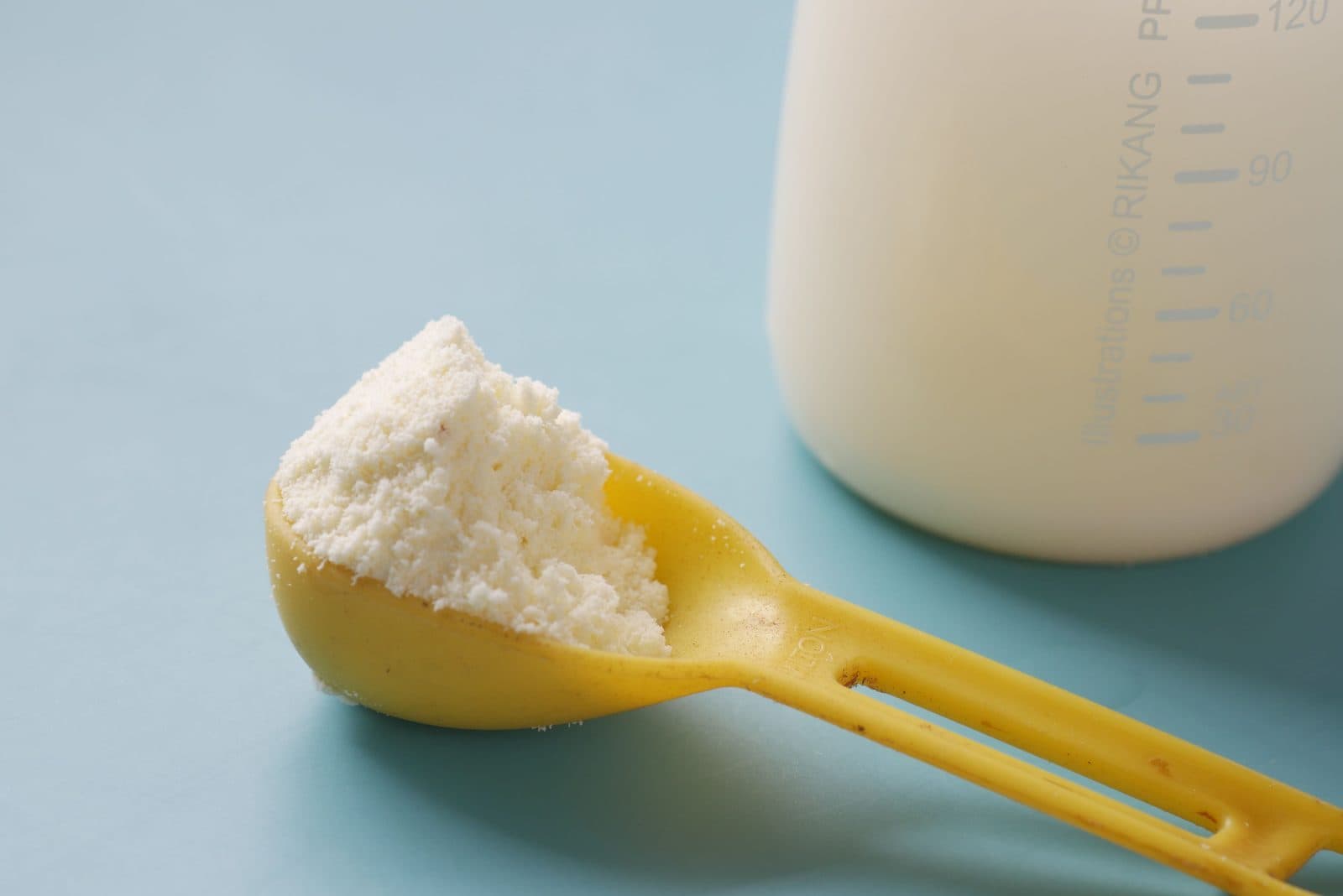


Protein is the category where the ingredient decision dominates everything else. Choose the protein source and you have largely chosen the taste, the texture, the cost, the allergen declaration and the Halal paperwork in one move.
Which protein source should a Malaysian brand use?
Whey concentrate for familiarity and mouthfeel, whey isolate for a higher protein claim and a cleaner taste, plant blends for a dairy-free or vegan positioning. Most first products in this market use whey concentrate, because it dissolves well and tastes like what buyers expect.
| Source | Protein density | Taste and texture | Cost | Watch out for |
|---|---|---|---|---|
| Whey concentrate | Moderate | Creamy, familiar, dissolves easily | Moderate | Dairy allergen; upstream rennet raises a Halal question |
| Whey isolate | High | Cleaner, thinner mouthfeel | High | Cost, and less body in the drink |
| Soy | High | Neutral, economical | Low | Allergen; some markets resist it |
| Pea | Moderate–high | Earthy note that needs masking | Moderate | Grittiness if the grade is wrong |
| Rice | Lower | Gentle, hypoallergenic | Moderate | Usually blended rather than used alone |
| Blends | Tunable | Best compromise on amino profile | Varies | More components, more documentation |
Why does whey raise a Halal question?
Because whey is a by-product of cheese making. If animal rennet was used in that upstream process, the whey carries that status even though it is several steps removed from your product.
What to do. Ask for Halal certification covering the whey itself, not a certificate for the finished blend it arrives in. Microbial rennet alternatives are widely used and their whey is straightforward to certify. This is a documentation question, not a reformulation one — but only if it is asked at the start.
How is the protein content verified?
By laboratory analysis of the finished product, not by calculation from the raw material specification. The number on your label is the number that gets tested if anyone checks.
Two things move the finished figure away from the calculated one: the moisture content of the finished powder, and the actual protein content of the incoming raw material, which varies between lots. This is why raw material QC on intake matters as much as the formula.
What makes a protein powder taste good?
Managing three problems at once: the base note of the protein itself, the sweetener aftertaste, and the mouthfeel. Plant proteins carry an earthy note, whey isolate is thin, and every sweetener leaves something behind.
The levers:
- Flavour system — chocolate and vanilla are the volume flavours everywhere. In Malaysia, teh tarik, white coffee and cereal versions differentiate without needing explanation.
- Sweetener — sucralose, stevia, monk fruit or sugar. Aftertaste compounds over weeks in a daily product, so this decision matters more than in most categories.
- Body — a small amount of fibre, gum or creamer restores the mouthfeel that isolate lacks.
- Solubility — agglomeration is what makes a powder disperse in a shaker without clumping, and it is the first thing a buyer judges.
Which format works in Malaysia?
Tubs for the daily user and the best cost per serve; sachet boxes for trial and social commerce. Launching on the sachet box and adding the tub once repeat purchase is established is the lower-risk sequence.
Fill weight, scoop size and serving basis all have to agree with the nutrition panel, so fix them before artwork.
What claims can a protein product make?
Nutrient content claims — "high in protein", "source of protein" — are governed by defined thresholds that the finished product has to meet. Performance and body-composition claims are far more restricted.
Decide the claim before development, because the threshold sets the minimum protein content, which sets the cost.
What a good protein brief looks like
- Protein source, or the positioning you want (dairy, plant, vegan, hypoallergenic)
- Grams of protein per serving, and the serving size
- Target retail price per unit
- Flavour direction, and a reference product if you have one
- Sweetener constraints
- Format — tub, sachet box, or both
- Market, and the claims you intend to make
- Halal requirement, stated explicitly
Where D&O fits
D&O manufactures protein and nutrition powders at its plant in Lahat, Perak — certified Halal by JAKIM (MS 1500), GMP to MS 1514:2022 (cert. GMP 00203), HACCP to MS 1480:2019 (cert. HACCP 00425) and ISO 22000 (cert. FSMS 00229) — with an in-house R&D laboratory for formulation and flavour work.
See protein powder, or send a reference product you want matched.
Frequently asked questions
Is whey protein Halal? It can be, but it depends on the rennet used upstream in cheese production. Ask for Halal certification covering the whey itself.
Which protein tastes best? Whey concentrate is the most familiar and the easiest to make taste good. Plant proteins need more flavour work, particularly pea.
How much protein per serving should I aim for? Work backwards from the retail price and the claim you want to make. The claim threshold sets the floor; the price sets the ceiling.
Can protein powder be made vegan and Halal? Yes. A plant blend removes the whey question entirely, though the supporting ingredients still need their own Halal certificates.
Why does my protein clump in a shaker? Poor dispersion, usually solved by agglomeration and particle size rather than by changing the protein.