
Dessert & Tong Sui · Malaysian
OEM Kaya Powder Manufacturer in Malaysia
OEM & private label kaya powder - coconut, egg and pandan jam flavour for drinks and desserts, Halal manufactured in sachet, jar or bulk for your brand.
What is kaya?
Kaya is a Southeast Asian jam made from coconut milk, eggs and sugar, usually scented with pandan. It is the spread on kopitiam toast, and its character comes from the eggs - a custard cooked slowly until it thickens, not a fruit preserve.
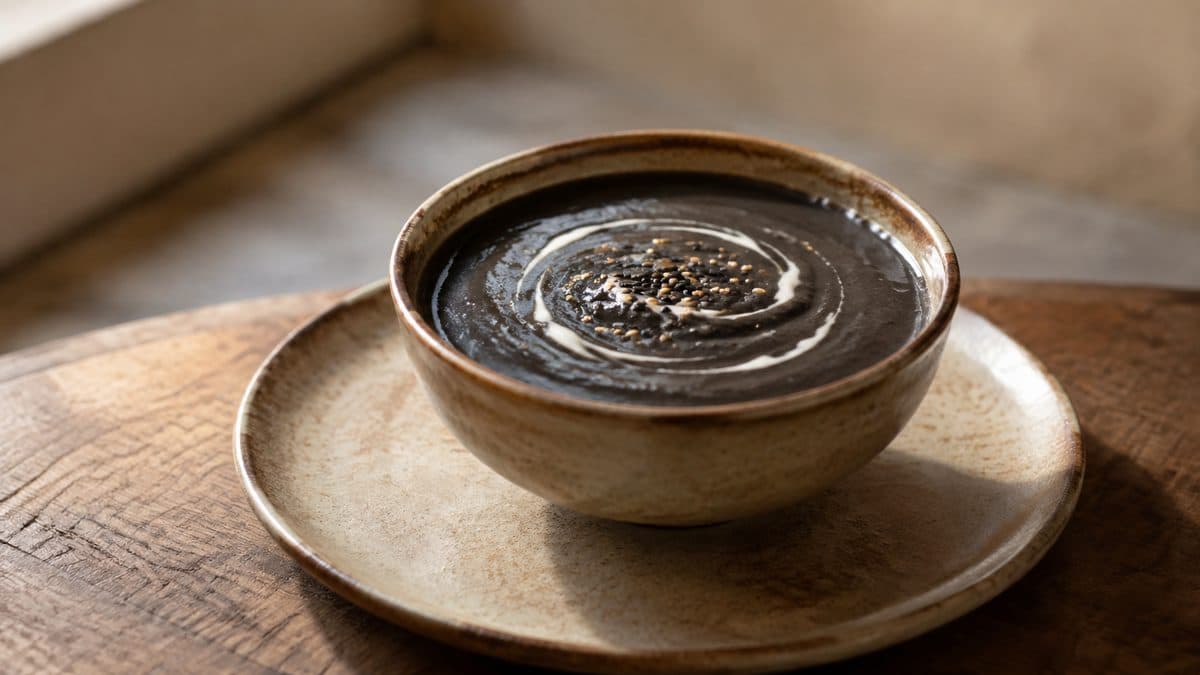
Coconut jam) is eaten across the region, and in Malaysia and Singapore it is inseparable from the kopitiam breakfast - toast, soft-boiled eggs and Kopi O. The colour runs from pale gold to deep green depending on how much pandan goes in and how far the sugar is caramelised.
What makes kaya distinct among the flavours here is that its defining ingredient is egg. Coconut gives it richness and pandan gives it scent, but the custard character - that slightly savoury, eggy roundness - is what tells a Malaysian palate it is kaya and not sweet coconut.
As a flavour rather than a spread, kaya has moved into drinks, protein powders and dessert premixes, where it works because it is already a balanced three-part flavour rather than a single note.
What does kaya taste like?
Rich, sweet and custardy, with coconut fat and a distinctly eggy roundness underneath, finished with pandan. It tastes cooked rather than fresh - closer to a caramel custard than to a coconut drink.
| Character | Level | Why |
|---|---|---|
| Sweetness | High | Kaya is a jam; sugar is a structural ingredient, not a seasoning. |
| Bitterness | Low | Nothing bitter in the combination. |
| Roast | Medium | No roasting, but the sugar is cooked and caramelises, which reads as a toasted note. |
| Creaminess | High | Coconut milk and egg together make it one of the richest flavours in the library. |
| Aroma | High | Pandan plus cooked custard - both strongly aromatic and both recognisable. |
Indicative flavour positioning to help write a product brief. It is not sensory panel data, and the finished taste is set with you at sampling stage.
What has to be decided to make kaya as a powder?
Whether real egg goes in, because that one decision changes the allergen declaration, the handling requirements and the cost at the same time. Kaya is the rare flavour where the defining ingredient is also a regulated allergen.
- Egg is an allergen and must be declared. It is not a formulation detail that can be settled late. Egg on the label changes the artwork, the export dossier and sometimes which retailers will stock it, so the decision belongs at briefing.
- Real egg or an egg-free custard flavour is a genuine fork. Egg powder carries the authentic custard character but brings allergen handling and a shorter, more demanding stability profile. An egg-free kaya flavour avoids all of that and tastes recognisably lighter.
- Two fat systems, one oxidation problem. Coconut and egg both carry fat, so this is among the more oxidation-sensitive powders in the range. Off-flavours here present as rancid rather than stale.
- Colour signals authenticity. Pale kaya reads as mild and commercial; deep green reads as pandan-forward; brown reads as caramelised. The target colour is as much a brand decision as the taste.
What are the Halal risk points in a kaya powder?
Egg and coconut are both straightforward. The risk sits in the emulsifier, the pandan flavour carrier and any colour - the same three places most dessert powders fail certification.
Egg powder is itself usually a processed preparation rather than a raw material, so it needs its own certificate covering any processing aid used in drying. Mono- and diglycerides (E471) in a fat-bearing powder can be plant or animal derived under a single name, and pandan flavours are commonly carried in ethanol - which certification assesses on entry, regardless of how little survives.
D&O manufactures under JAKIM Halal certification to MS 1500, and every raw material on a Halal-certified line carries its own valid certificate. The recurring failure points are listed in Top 10 Ingredients That Fail Halal Certification.
Which pack formats suit kaya powder?
Sachet, stick pack, jar or bulk. The format is chosen with the formula rather than after it, because it decides how the powder is protected from moisture and how the buyer meets the product.
| Format | What it suits |
|---|---|
| Sachet | Single-serve dessert drink or dessert premix. Best protection for a double fat system. |
| Stick pack | Convenience retail and Malaysian flavour bundles. |
| Jar | Common for kaya as a mix rather than a drink, though repeated opening exposes the fat. |
| Bulk | Bakery, dessert and beverage shop use, where kaya is a component rather than a finished product. |
Where is this manufactured, and under what certification?
At D&O Nutraceutical Manufacturing Sdn. Bhd. in Lahat, Perak, Malaysia — six factory units certified Halal by JAKIM (MS 1500), GMP to MS 1514:2022 (SIRIM QAS, cert. GMP 00203), HACCP to MS 1480:2019 (SIRIM QAS, cert. HACCP 00425), ISO 22000 (SIRIM QAS, cert. FSMS 00229) and MeSTI (Ministry of Health, cert. ME0523069-0/1).
The plant is outside Ipoh, between Kuala Lumpur and Penang, with road access to both Port Klang and Penang Port for export. Four units are used for production and two for packing and assembly, 4,000 sq ft each.
D&O is the powder functional food manufacturer of ORIZI Group. Liquid and ready-to-drink formats are made by Nutrizens Wellness Sdn. Bhd.; cosmetics, skincare and personal care by Dr Orizi; medical devices by Skyler and Imedify.
Certificates and their certified scope are supplied on request. JAKIM Halal certification is verifiable in the MYeHALAL directory, MeSTI in the Ministry of Health FoSIM system, and the GMP, HACCP and ISO 22000 certificates with SIRIM QAS International. The MS standards themselves are published by Standards Malaysia, and ISO 22000 by ISO.
Where this flavour is produced
Kaya sits in the Instant Dessert & Tong Sui line. The full list of instant beverage & dessertflavours D&O has produced is in the flavour library.
Frequently asked questions
- Does kaya have to contain egg?
- Traditional kaya does - egg is what makes it a custard rather than a sweet coconut spread. As a flavour, egg-free versions exist and avoid the allergen declaration entirely, but they taste lighter and lack the savoury roundness that identifies kaya to a Malaysian palate.
- Why is egg a problem in an export product?
- Because it is a declarable allergen. That changes the label, the export documentation and sometimes retailer acceptance. None of that is difficult, but it has to be decided at briefing rather than discovered when artwork is already printed.
- Why is kaya green sometimes and brown other times?
- Pandan and caramelisation. A pandan-forward kaya is green; one where the sugar has been cooked further is brown. Both are authentic, and which one a brand wants is a positioning decision rather than a correctness question.
- What makes kaya powder go off faster than other dessert powders?
- Two fat systems at once - coconut and egg. Fat oxidises, and oxidation gives rancid notes rather than simple staleness. That is why the barrier film and fill conditions matter more on this product than on a sugar-based dessert powder.
- Who is responsible for the label and artwork?
- The brand owner owns the artwork and the claims on it. D&O supplies the product data the label must carry, such as ingredient declaration and nutritional information, and will flag where a claim would change the product's regulatory classification. Final approval of the printed label stays with the brand.
- Can products made here be exported to the United States?
- Yes. A facility shipping food into the US must hold an FDA food facility registration under FSMA, which D&O does. Registration is a filing requirement, not an FDA approval or endorsement. Labelling and claims still have to meet US rules for your specific product.
- How is shelf life decided?
- By stability testing on your actual formula in your actual pack, not by a number quoted upfront. The powder, the barrier film and the destination climate all move it. Moisture is what usually ends a powder's life, which is why pack format is specified alongside the formula rather than after it.
- Can D&O develop a flavour that is not in the library?
- Yes. The library is what has been produced before, not a menu limit. Bring a reference product, a target taste or a competitor sample and the R&D lab benchmarks against it. Flavour development is part of the OEM brief rather than a separate service.
Get a Free Sample of Your Own Product
Tell us what you want to make — the taste or effect, your target retail price, the pack format and rough monthly volume. We come back with a costing and a free bench sample made to your brief, not a stock product. Halal OEM manufacturing in Perak, Malaysia, in sachet, stick pack, jar or bulk.
JAKIM Halal · GMP MS 1514 · HACCP MS 1480 · ISO 22000 · MeSTI certified