


Brand owners often arrive with an international flavour list — vanilla, strawberry, mixed berry — and are surprised when it underperforms. Malaysian buyers reach for what they already drink.
This is our ranking of the ten instant drink flavours worth developing for this market, ordered by how reliably they sell, with an honest note on what each is like to make.
1. White coffee
The strongest single flavour anchor in Malaysian instant beverage. Recognised instantly, associated with Ipoh, and it carries a premium over plain 3-in-1 without needing explanation.
Manufacturing. The creamer system does most of the work. Getting the smooth, slightly caramelised character right is a creamer and roast decision, not a flavouring decision. Agglomeration is essential — white coffee that clumps reads as counterfeit.
2. Teh tarik
The other national anchor. Sweet, milky, strong tea character. Sells to everyone, needs no education, and works in sachet, box and food service.
Manufacturing. Tea extract quality drives everything. Cheap tea powder tastes thin and no amount of creamer hides it. Colour stability matters here: a teh tarik that browns unevenly in the cup looks wrong even when it tastes right.
3. Chocolate malt
The childhood flavour, and a strong performer across ages. Positions equally well as a treat or as a nutritional drink for children.
Manufacturing. Alkalised cocoa for colour and mildness, malt extract for the biscuit note. Malt extract is hygroscopic, so this flavour puts real pressure on the packaging barrier — see our chocolate malt manufacturing guide.
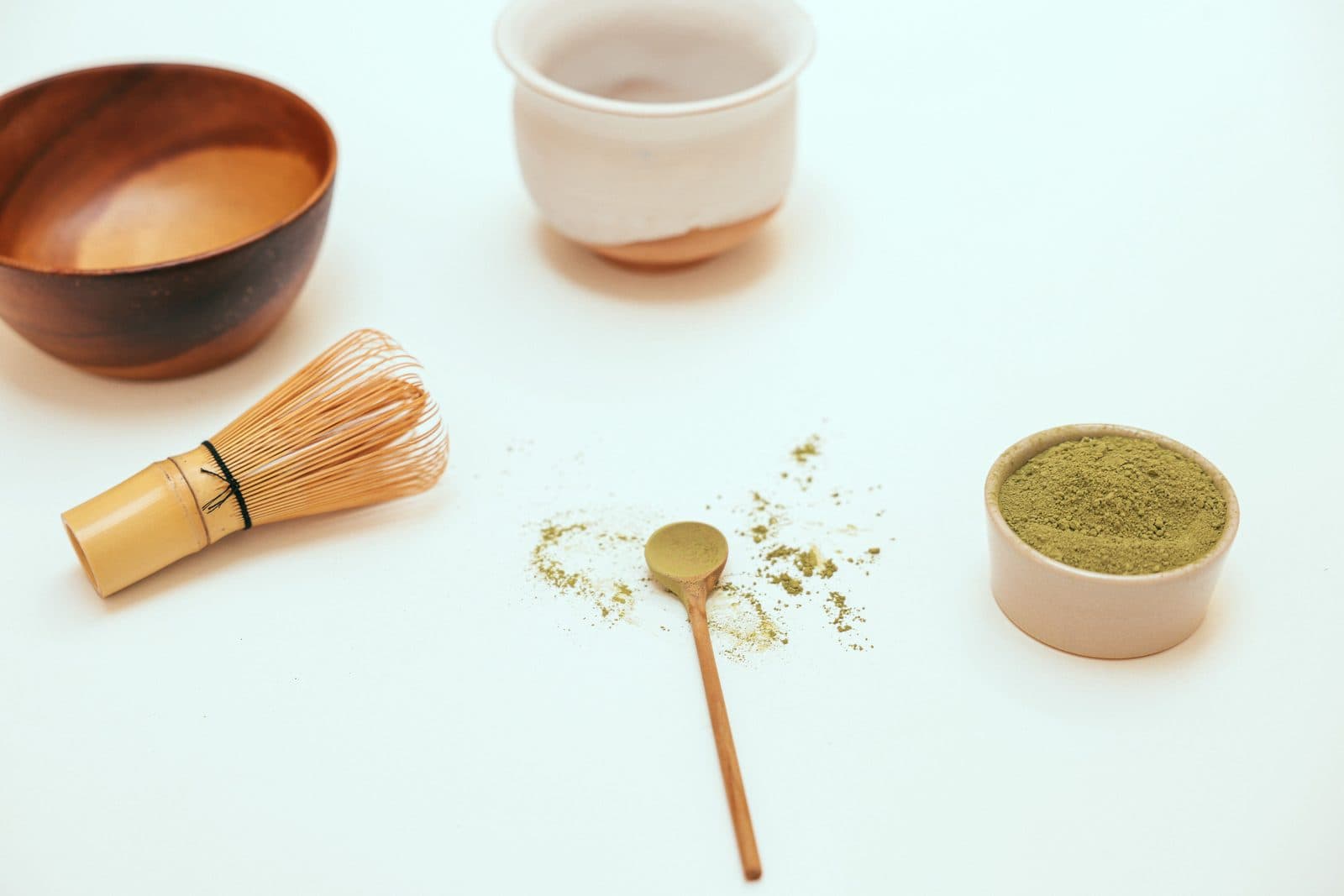
4. Matcha and green tea
Younger buyer, premium price point, strong on social commerce. Sells on colour as much as on taste — the photograph does the selling.
Manufacturing. Colour is the risk. Natural matcha fades under light and heat, so the packaging must block light and the grade must be chosen for stability, not only for taste. Cheap matcha browns.
5. Milk tea and brown sugar milk tea
Rides an established beverage habit straight into the home. High repeat purchase, particularly in sachet format.
Manufacturing. The tea-to-creamer ratio is the whole product. Brown sugar versions need careful moisture control — the sugar system is hygroscopic and will cake if the barrier is weak.
6. Cham (coffee and tea)
Distinctly local, underserved, and immediately understood by every Malaysian buyer. A good differentiator for a brand that does not want to compete head-on with white coffee.
Manufacturing. Balancing two strong extracts without either dominating is harder than it sounds, and small changes in the ratio are very noticeable.
7. Cereal and multigrain
Sells on wholesomeness rather than on indulgence. Strong with older buyers and with parents, and it crosses into the meal replacement category easily.
Manufacturing. Particle size is the challenge — grain powders settle and separate. Agglomeration and a controlled grind are what keep it drinkable to the last mouthful.
8. Ginger and herbal warm drinks
A functional flavour with a built-in occasion. Halia, tongkat ali coffee and similar warm botanicals sell steadily rather than spectacularly.
Manufacturing. Botanical bitterness and pungency need masking without losing the character people are buying it for. Standardised extracts cost more and are worth it for batch-to-batch consistency.
9. Tropical fruit — mango, lychee, calamansi
The strongest fruit direction for this market. Local fruit reads as fresh; imported berry flavours read as generic.
Manufacturing. Fruit acids affect both stability and mouthfeel. Natural colours fade under light. If the product is going into a clear pack, expect a colour conversation.
10. Vanilla and neutral bases
Last on this list as a flavour, first as a workhorse. Vanilla rarely sells a product on its own here, but it is the base most protein and meal replacement products need.
Manufacturing. The easiest flavour on this list to make well, which is why it is a sensible second SKU rather than a first.
Why do local flavours outperform imported ones here?
Because a familiar flavour needs no explanation. Teh tarik and white coffee arrive with an existing habit attached; mixed berry arrives needing to be sold. On social commerce, where a purchase decision takes seconds, that difference decides the conversion.
The pattern shows up plainly in what ranks: Malaysian marketplace best-sellers in food and beverage are overwhelmingly locally-named, locally-flavoured products listed in Malay.
The practical rule: launch on a local flavour, extend into an international one once the brand has an audience. Doing it the other way round means spending your launch budget on education instead of on sales.
How many flavours should a new brand launch with?
Two. One anchor flavour that needs no explanation, and one that gives people a reason to buy a second box. Every additional flavour is a separate production changeover and a separate stock position.
Five flavours at launch is the most common self-inflicted wound we see. It multiplies the minimum order, splits the marketing, and usually ends with three of them written off.
Frequently asked questions
What is the best-selling instant drink flavour in Malaysia? White coffee and teh tarik are the two reliable anchors. Both are recognised instantly and need no education.
Can you match a specific flavour I like? Usually yes, to a close approximation. Send a physical sample — matching from a description or a photograph is far less accurate.
Can flavours be made without artificial flavouring? Yes, but natural flavours are less stable and usually more expensive, and the profile will not be identical. Decide this at the brief stage.
Which flavours are hardest to keep stable? Matcha and natural fruit colours fade with light and heat. Citrus loses its top notes first.
Does D&O develop custom flavours? Yes — a flavour developed to your brief stays with your brand. See instant beverage and dessert powder.